
Introduction
If you’re under 25 and shopping for car insurance in the United States, you’ve probably already experienced the sticker shock that comes with your first quote. The numbers can feel almost punishing — and in many cases, they are significantly higher than what an older driver with a similar profile would pay. Young drivers are statistically the highest-risk group on American roads, and insurance companies price their policies to reflect that reality without apology.
But here’s what most young drivers don’t know: there is far more room to negotiate and reduce those premiums than the industry lets on. The difference between a driver who accepts the first quote they receive and one who shops strategically can be $1,000 or more per year — for identical coverage. Understanding why young drivers pay more, which companies offer the best rates, and which discounts are specifically designed for your age group is the first step toward taking control of your insurance costs.
This guide is designed specifically for drivers under 25 — whether you’re a teenager getting your first policy, a college student managing your own expenses for the first time, or a young professional looking to stop overpaying for coverage you barely understand.
Why Do Young Drivers Pay So Much More?
Insurance pricing is built on statistics, and the statistics for young drivers are difficult to argue with. According to data from the National Highway Traffic Safety Administration, drivers between 16 and 24 years old are involved in a disproportionately high number of serious accidents relative to their share of the driving population. Several factors contribute to this elevated risk:
Lack of experience is the most fundamental issue. Driving is a complex skill that improves significantly with time behind the wheel. New drivers haven’t yet developed the instincts and hazard recognition abilities that come naturally to experienced motorists.
Risk-taking behavior is statistically more common among younger drivers. Speeding, distracted driving, and failure to wear seatbelts are all more prevalent in the under-25 age group than in any other demographic.
Nighttime and weekend driving — periods when accident rates are highest — tend to be more common among young drivers, particularly teenagers and college students.
The result of all this statistical risk is that insurers charge young drivers a significant premium to offset their higher likelihood of filing a claim. A 18-year-old male driver can easily pay three to four times more than a 35-year-old male with the same vehicle and the same coverage level.
The Best Car Insurance Companies for Young Drivers in 2026
Not all insurers treat young drivers the same way. Some companies are significantly more competitive in this demographic than others, and shopping across multiple carriers is absolutely essential.
State Farm consistently ranks among the best options for young drivers, particularly because of its Steer Clear program — a driver training and monitoring program specifically designed for drivers under 25 that can deliver meaningful premium discounts upon completion.
GEICO is another strong option, offering competitive base rates for young drivers and a solid good student discount that can reduce premiums by up to 15% for full-time students maintaining a B average or higher.
Nationwide offers its SmartRide telematics program, which monitors actual driving behavior and rewards safe driving with discounts. For a young driver who genuinely drives responsibly, this program can partially offset the age-based premium increase.
Erie Insurance is a regional carrier that consistently offers some of the most competitive rates for young drivers in the states where it operates, which include much of the Midwest and Mid-Atlantic regions.
Progressive rounds out the top options with its Snapshot program and generally competitive rates for drivers with clean records, even in the under-25 category.
Discounts Specifically Available to Young Drivers
One of the most effective ways to reduce your premium as a young driver is to aggressively pursue every discount available to your age group. Many of these go unclaimed simply because drivers don’t know to ask for them.
Good student discount is one of the most widely available and valuable discounts for young drivers. Most major insurers offer a reduction of 8% to 15% for full-time students who maintain a GPA of 3.0 or higher. Keep your grades up and make sure your insurer knows about them — this discount rarely applies automatically.
Distant student discount is designed for college students who leave their vehicle at home and attend school more than a certain distance away — typically 100 miles or more. Since the car is being driven far less frequently, insurers offer a meaningful reduction in premiums.
Driver training discount rewards young drivers who complete an approved defensive driving or driver education course beyond the basic requirements for licensing. The discount varies by insurer but typically ranges from 5% to 10%.
Telematics discounts through programs like State Farm’s Drive Safe & Save or Progressive’s Snapshot reward safe driving behavior regardless of age. If you drive cautiously, avoid hard braking, and stay off your phone while driving, these programs can deliver some of the most significant savings available to young drivers.
Should You Stay on Your Parents’ Policy?
For many young drivers, the most affordable option isn’t a standalone policy at all — it’s remaining on a parent’s insurance policy for as long as possible. Adding a young driver to an existing family policy is almost always cheaper than purchasing an independent policy, sometimes by a factor of two or three.
If you live at home, drive a vehicle owned by your parents, or are a full-time student, staying on the family policy is typically the smart financial move. The arrangement works well for everyone: your parents’ multi-car discount often offsets a significant portion of the added cost of including you, and you benefit from rates anchored to their established driving history.
Once you purchase your own vehicle or move out permanently, transitioning to your own policy becomes necessary — but even then, some insurers allow young adults to remain on a parent’s policy under certain conditions. It’s worth asking your current insurer what your options are before making the switch.
How to Build a Profile That Lowers Your Rates Over Time
The under-25 premium penalty isn’t permanent. Every year you drive without incidents, your risk profile improves and your rates reflect that progress. The most effective things you can do right now to accelerate that improvement are:
Keep your driving record completely clean. A single at-fault accident or speeding ticket at age 20 can follow you financially for three to five years. The financial cost of a traffic violation extends far beyond the fine itself.
Build your credit score from an early age. Since credit-based insurance scoring affects premiums in most states, establishing good credit habits now will pay dividends on your insurance costs for decades.
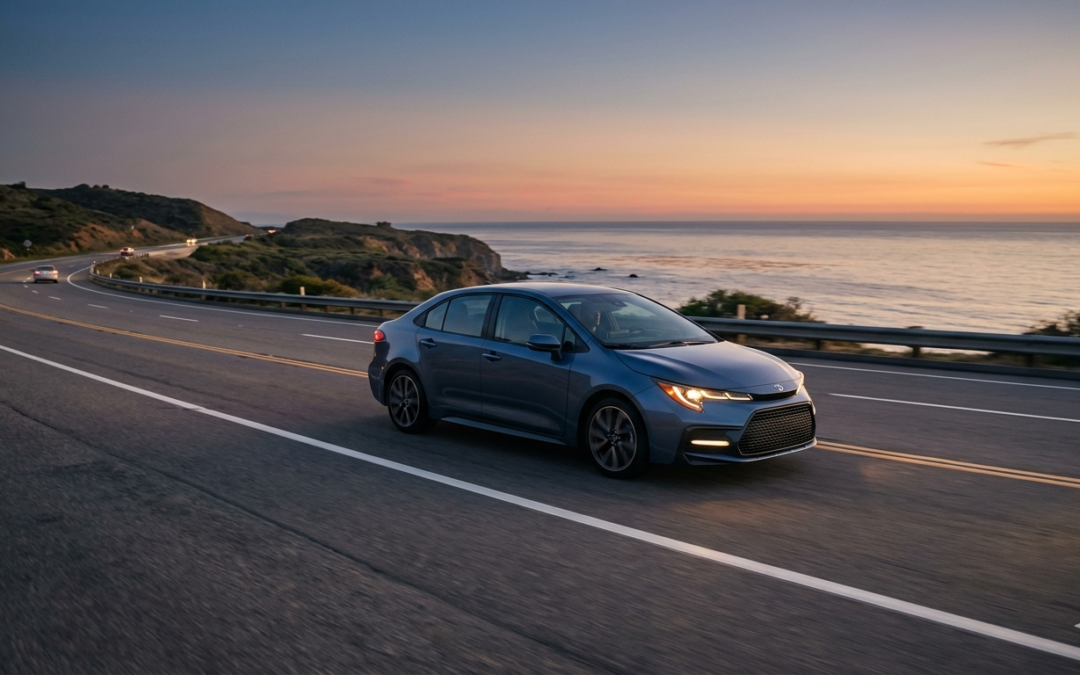
Choose your vehicle wisely. A modest, safe, reliable sedan will always cost significantly less to insure than a sports car or a high-performance vehicle. The car you drive is one of the few major rating factors entirely within your control.
Final Thoughts
Being a young driver in America means paying more for car insurance — that’s simply the reality of the market. But it doesn’t mean accepting every quote you receive or ignoring the dozens of legitimate strategies available to reduce your costs. Shop aggressively, pursue every discount you qualify for, drive responsibly, and stay patient. The age-based premium penalty diminishes every year, and the habits you build now will shape your insurance costs for the rest of your driving life.



















0 comentarios